
Why Storage Matters for Specialty Tires
Preventing Flat Spots, Ozone/UV Damage, & Compound Aging
If specialty or trailer tires sit idle for months, their rubber compounds slowly break down, especially when exposed to pressure, heat, and ozone. When you know how to store trailer tires, you can avoid:
- Flat spots
- Ozone/UV damage
- Compound aging
As a result, your trailer tires last longer, saving you money over time.
Differences in Specialty vs. Passenger Tire Storage
Learning how to store trailer tires can be tricky because they are made from different compounds than passenger vehicle tires.
For example, they have thicker sidewalls and different bead constructions. Changes in temperature or pressure can have a more significant effect on them.
Core Storage Principles
Clean, Dry, Cool, Dark Environments
When learning how to store trailer tires, first, you must find a cool, dry, and dark space. Make sure the environment is clean and free from any contaminants that could degrade the rubber over time. You don’t want your tires sitting near heat sources or in direct sunlight.
Keep Away From Ozone Sources, Oils, and Solvents
When mastering how to store trailer tires, one of the most important steps is to keep them away from oil and solvents. These substances can soften tread compounds or leach the chemicals that give tires their flexibility.
Ozone is one of rubber’s biggest enemies, and it’s commonly emitted by electric motors, air compressors, and generators.
Off Concrete; Use Pallets, Racks, or Mats
Bare concrete floors experience moisture and temperature fluctuations that can wick into tire casings and cause premature aging or flat-spotting. Tires stored directly on concrete may also absorb lime and other surface chemicals.
When studying how to store trailer tires, one of the simplest steps is to get them off the concrete floor, whether it’s on a rack, pallet, or mat.
Preparing Tires for Storage
Cleaning Procedure and Drying
Discussions about how to store trailer tires often skip prep, the most important step. Before storage, thoroughly clean each tire using mild soap and water. Get rid of any dirt or brake dust that’s embedded in the grooves of the rubber. After you’re done, allow the tires to dry completely.
Bagging and Sealing Options
When learning how to store trailer tires, you’ll see that there are several must-do tasks and a few should-be-done tasks. Bagging and sealing fall into that second group.
If you can, individually bag your tires in airtight plastic to reduce oxygen exposure. Heavy-duty vacuum-sealed tire bags are ideal because they keep out dust and ozone.
Labeling Position/Rotation Dates
Labeling ensures tires can be reinstalled in balanced positions when they come out of storage.
Mark each tire’s former location (i.e., right rear) and the date you stored it. Include notes on any inspection findings or tread depth readings. That way, you can put the tires in the right location on your trailer or equipment when you take them out of storage.
On-Rim vs. Off-Rim Storage
On-Rim: Inflation Levels, Valve Caps, Wheel Protection
If you’re going to be storing tires on the rims, their inflation should be about 25% less than operating pressure to reduce internal stress. Don’t deflate them too much, though, as that can cause the bead to come unseated.
Put valve caps on to block moisture, and store assemblies upright on a smooth surface or tire racks to keep the sidewalls from deforming.
Off-Rim: Stacking vs. Vertical, Bead Protection
If you’re going to store your tires off the rim, don’t stack them for more than a couple of months. If you are going to store them long-term, use a vertical rack and rotate them every few weeks to avoid flat spots.
Bias vs. Radial Considerations
Flat-Spot Risk and Rotation Cadence
Bias-ply and radial tires behave differently under static load. Bias tires tend to hold their shape better. Radials are more prone to developing flat spots during storage. Rotate your tires frequently to avoid these issues.
Stacking Limitations and Supports
Heavy specialty tires can deform if you don’t stack them properly. Always consult the manufacturer's weight limits for stacking height. Use supports to distribute the pressure evenly. If you are using racks, make sure they support the full width of the tread.
Tubed vs. Tubeless
Tube Talc/Bagging Guidelines
Lightly dust the inner tube of tubed tires with talc before you store them. That way, you can prevent sticking and chafing. Store tubes individually in sealed bags. If you are storing tubes within mounted tires, make sure the tires are both clean and dry. Label everything.
Valve Stem and Bead Seat Protection
Valve stems and bead areas require extra care. Apply a light dusting of talc or a non-petroleum rubber conditioner. Avoid grease or oils that can degrade compounds. Place cardboard or foam rings inside the bead seat area to keep it from being distorted.
Category Playbooks
Trailer (ST): PSI for Storage, Monthly Rotation, Sunlight Protection
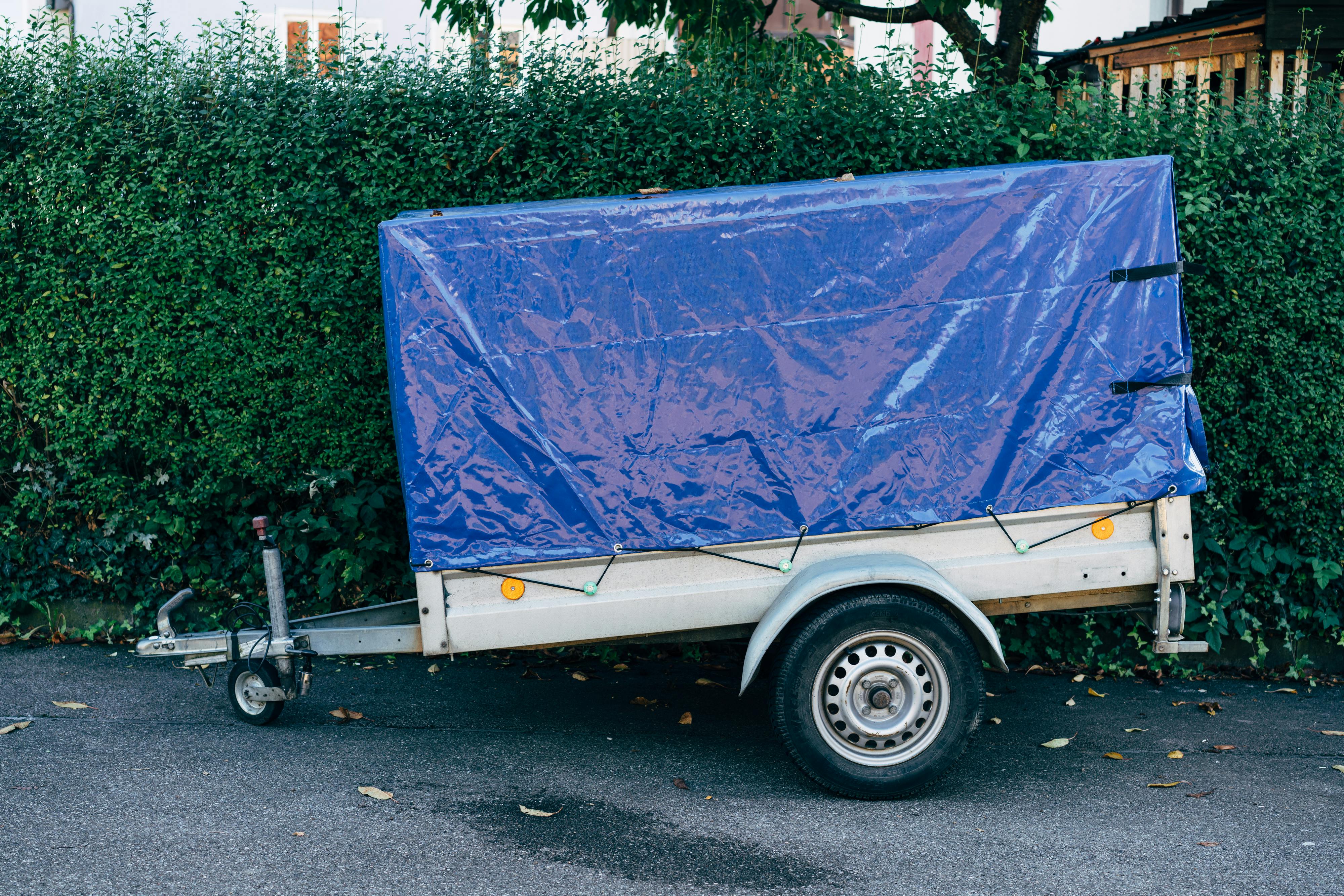
Trailer tires (ST-rated) should be inflated to about half of their normal operating pressure before you store them. This prevents the casing from collapsing while minimizing stress on the cords. If the trailer remains loaded, block it securely to remove weight from the tires.
Rotate the tires monthly or move the trailer slightly to prevent flat spots. Cover each tire with UV shields.
Ag/OTR: Block Equipment, Reduce Load, Roll Quarterly
Agricultural and off-the-road (OTR) tires typically remain mounted on heavy machinery. Always block the equipment to remove weight from the tires and release air pressure to around 75% of the operating levels. Roll the equipment forward or backward each quarter to distribute the load evenly.
Industrial/Forklift & Skid Steer: Vertical Storage, Avoid Solvents
You should always store skid steer or industrial tires vertically or on racks. Don’t ever stack them. The hard rubber compounds and dense design can cause compression damage if you stack them. You should also avoid any solvents or harsh cleaning agents. Use a mild detergent and dry them thoroughly before storage.
Lawn & Garden/UTV: Light Inflation, Elevate to Remove Load
Smaller tires for lawn, garden, and UTV applications are especially prone to sidewall collapse under load. Inflate them to 25-30 PSI and elevate the vehicle to remove weight. If you are storing them off the rim, keep them upright in a dry, shaded spot.
While you don’t need to bag them in an airtight material, a breathable cover can be a good idea for limiting dust exposure.
Long-Term Storage (6+ Months)
Desiccants and Sealed Bags
If you are going to store a tire for six months or more, you need to use airtight bags. Add desiccant packs in each sealed bag to absorb ambient moisture. This prevents condensation, which can corrode steel belts or lead to microbial growth on the inner liner.
Quarterly Inspection Checklist
Every three months, you should:
- Inspect stored tires for cracking, bulges, or discoloration
- Ensure inflation levels are in the right ranges
- Rotate positions to relieve pressure points
- Check for rodent damage
If you are overseeing tires used for industrial operations, maintain a log of your inspection results and correct any deficiencies.