Understanding Tire Bead Damage and How to Prevent It

Understanding Tire Bead Damage and How to Prevent It

Common Cause of Bead Damage

The tire bead is the steel wire edge on a tire that locks it into the rim. The bead is coated with rubber, which helps create an airtight seal. When tire bead damage occurs, the tire can leak or deflate entirely. 

What causes tire bead damage in the first place? Common causes include:

  • Excessive force was applied to your tire or rim
  • Poor maintenance
  • Improper use
  • Over or underinflation

Tire bead damage is especially detrimental to the function of your tires because the bead performs a few important roles. It adds structural strength to the wheel and tire by holding the two together, sealing in the air. Even minor tire bead damage can create major safety issues. 

The good news is that most forms of tire bead damage are preventable and are rarely due to manufacturing defects. 

For example, improper mounting is one of the main culprits. When a technician rushes through an installation job or does not properly lubricate the tire or rim, tire bead damage can occur. The bead can get pinched or torn during mounting. 

Even if the bead does not completely fail, it can be weakened before the tire ever touches the ground. If you swap your tires out repeatedly, such as changing from all-terrain to mud tires several times throughout the year, there is a higher risk of tire bead damage. 

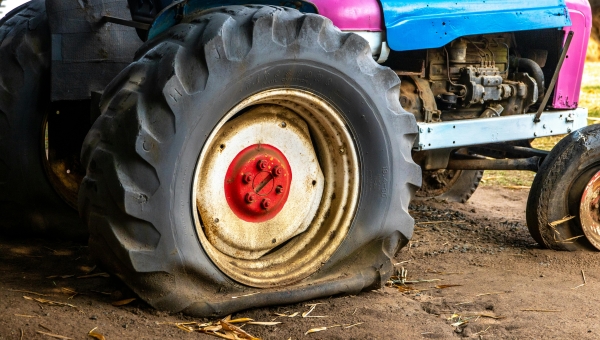
Another common cause is low tire pressure. Riding around with underinflated tires allows the bead to flex too much, causing the tire to move slightly on the rim. Even a few thousandths of an inch of movement can damage the rim and bead. Over time, that movement grinds down the bead and breaks the seal. 

Tire bead damage also occurs from:

  • Hard impacts with rocks, curbs, potholes, or large roots
  • Overloading your equipment beyond the tire’s rated capacity
  • Aggressive side loading
  • Damaged rims that cut the bead
  • Debris buildup between the bead and the rim surface

Each of these factors places stress on the bead in different ways, but none of them is good for long-term durability. Once the bead gets weak, the tire can start losing air or fail. 

How to Identify Bead Damage Early

The sooner you detect tire bead damage, the better your chances of preventing unplanned downtime. If you know what to look for, you can catch problems before the tire fails. 

Frequent air loss provides the most common early indicator. When a tire loses pressure repeatedly but doesn’t have any visible punctures, tire bead damage is the most likely cause. Small tears or deformities allow air to escape slowly, especially once you start using your vehicle. 

You can also spot tire bead damage with a visual inspection. When checking your tires, pay close attention to the inner edge near the rim. Look for irregularities, not just surface damage. Here are some red flags:

  • Cracks, fraying, or exposed bead wires
  • Uneven seating where the tire meets the rim
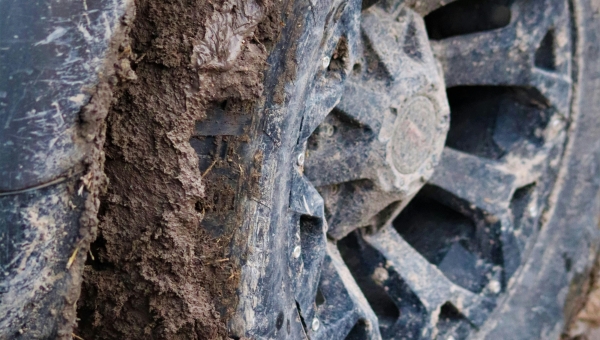
  • Moisture, dirt, or residue collecting around the bead
  • Flattened or distorted bead sections
  • Rust or sharp edges on the rim surface 

You should also monitor how your tire performs. If it has bead damage, it may vibrate, wobble, or offer less handling control than you are accustomed to. Severe damage can manifest, even at low speeds. With that in mind, listen to equipment operators, as they know what’s normal for the machines they use every day. 

Even the sound your tires make can provide a clue. If you hear a faint hissing noise after you add air to the tire, it could indicate that air is leaking near the bead. Always take a moment to look and listen when airing up your tires, just in case. 

The sooner you can pick up on these signs, the more time you’ll have to make repairs and avoid downtime in the field. 

How to Prevent Bead Damage

While tire bead damage can spell bad news for your equipment, most of it is preventable. Here are some tips to proactively avoid most forms of damage:

  • Choose the right tires for your intended use case
  • Regularly check the PSI on your tires and add air as needed
  • Look for early signs of damage or wear
  • Use a reliable tire installer

The right tire makes the biggest difference. You need tires built for your equipment and use case. Ensure they can handle the loads you are going to subject them to. For example, tires built for off-road or heavy-duty use feature reinforced beads that tolerate impacts and flex better than standard designs. 

Once you’ve installed the correct tires, create and enforce reliable policies for checking the air pressure on all your equipment. Keep your tires within the manufacturer-recommended pressure ranges. If you have to purposefully deflate tires for a specific task, make sure they are rated to handle it. 

Here are some long-term prevention practices you should implement across your entire fleet of wheeled vehicles and equipment: 

  • Inspect rims for dents and sharp edges before mounting new tires
  • Use proper tools and bead lubricant during installation
  • Avoid sudden impacts and aggressive maneuvers, especially when under load
  • Stay within load ratings at all times 
  • Clean wheel surfaces before mounting tires

The driving habits of your team matter, too. Make sure you and your staff members operate all equipment safely and maintain control of machinery. 

Protect Your Equipment With Quality Tires From Tires4That

Even the best maintenance practices cannot compensate for poor tire construction. Therefore, you must choose high-quality tires from a reputable source like Tires4That. We offer tires for ATVs, equipment, trailers, golf carts, and more. Our team of experts can help you identify the ideal fit for your use case. 

Explore our huge inventory of tires or contact us for expert support. 
Top Mistakes to Avoid When Mounting & Dismounting Tires

Top Mistakes to Avoid When Mounting & Dismounting Tires

Most Common Mounting/Dismounting Mistakes

Mounting and dismounting tires may look straightforward, but small errors can lead to big problems. Tire mounting mistakes can be especially problematic in the following use cases:

  • Agriculture
  • Construction
  • Commercial trucking
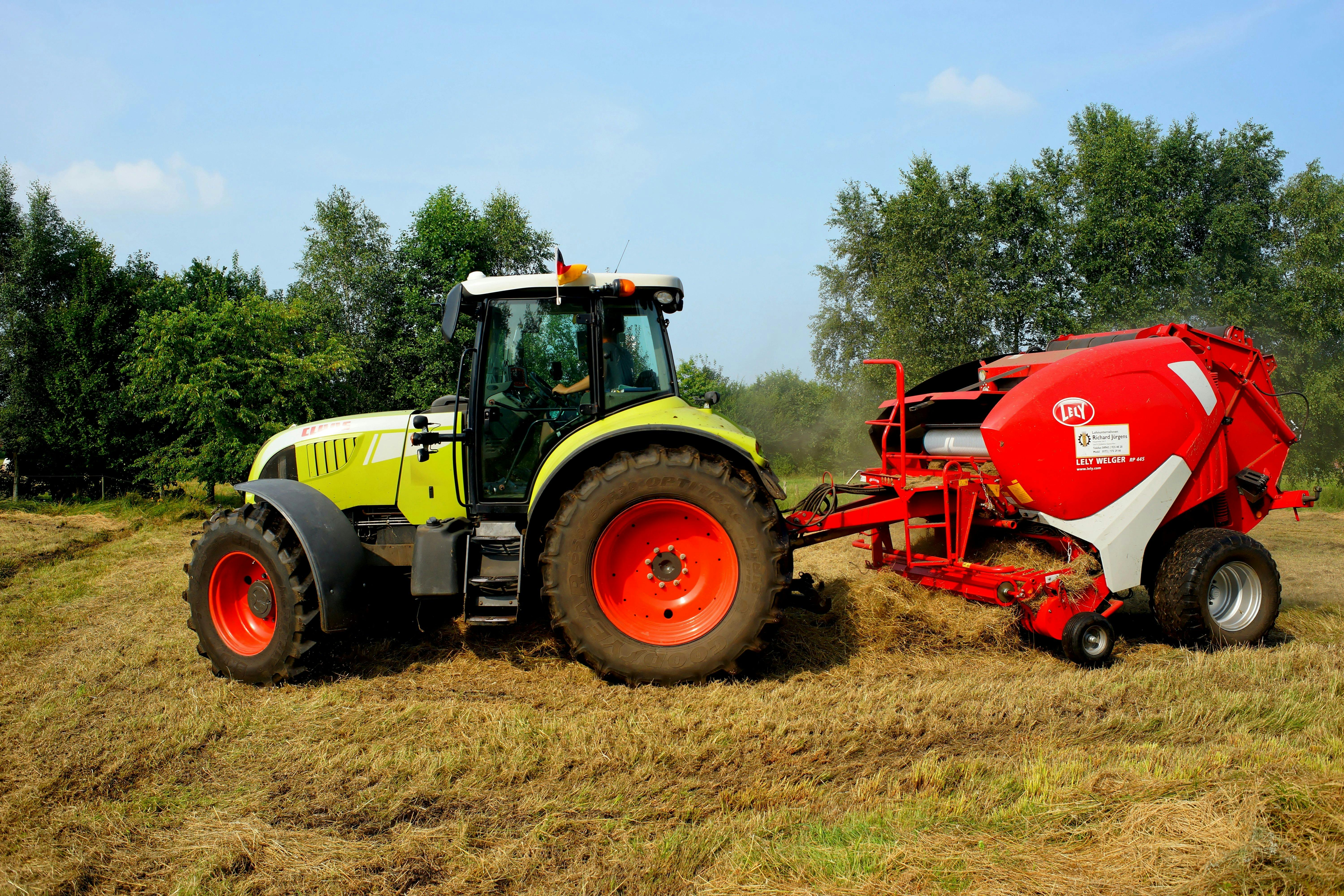
  • Turf equipment

Many issues happen because technicians rush the process or skip steps. Improper technique is another cause of tire mounting mistakes. The equipment itself is rarely to blame. 

One of the most common tire mounting mistakes involves failing to properly inspect the tire and wheel assembly before starting. Dirt, rust, or leftover debris from a previous tire can keep the new one from seating properly. Bent rims are another big issue that technicians need to be aware of. 

Using wrong or worn-out tools can also create headaches, as it increases the chances that they will damage the bead.

Here are a few more tire mounting mistakes that are more likely to happen in the field: 

  • Failing to properly lubricate the bead during mounting or dismounting
  • Using too much force
  • Applying uneven pressure 
  • Ignoring manufacturer specs 

Techs under a time crunch may rush, trying to get the equipment back in service as quickly as possible. 

While getting a tire mounted quickly looks good on paper, it can cause long-term efficiency and cost issues when tire mounting mistakes start to pile up. Don’t let a little time savings up front lead to premature tire failure later. It’s not worth it. 

How These Mistakes Damage Tires

Tire mounting mistakes rarely cause failure right away. That’s a big reason why they are so costly and dangerous. The damage usually starts internally or along the bead. Tire mounting mistakes may show up weeks or months later in the form of:

  • Slow air loss
  • Uneven wear
  • Sudden blowouts

Bead damage is one of the most common results of tire mounting mistakes. Technicians who use pry bars incorrectly or force the tire onto the rim can tear or stretch the bead. As a result, the tire will not create an airtight seal on the rim. 

Sidewall damage is another major concern, especially for heavy-duty tires built to carry heavy loads. Even small cuts or abrasions can weaken the tire’s structure over time. 

Common forms of damage caused by tire mounting mistakes and poor technique include:

  • Torn beads that lead to frustrating air leaks
  • Sidewall scuffing that reduces a tire’s load-carrying capacity 
  • Improper seating that causes vibration or uneven wear 

These issues shorten tire life and increase the risk of downtime. If a blowout happens while your equipment is under heavy load, the results could be catastrophic and possibly result in liability issues as well. 

The good news is that most tire mounting mistakes are preventable. It requires knowing the correct procedure, using the right equipment, and following established best practices. 

Correct Mounting Best Practices

The mounting process starts long before the tire ever touches the rim. Taking a few extra minutes to prepare the wheel and follow best practices can dramatically extend tire life and improve performance in the field or on the road. 

Begin by thoroughly cleaning and inspecting the wheel assembly. Remove any rust, dirt, or old lubricant and confirm that the rim is in good condition and free of any bends or chips. 

Here are some best practices that should be followed when mounting tires:

  • Apply lubricant evenly to both tire beads and rim flanges
  • Use steady, even pressure
  • Inflate the tire gradually and stay within the manufacturer’s recommended pressure limits

If you are working with larger agricultural or commercial tires, it’s especially important to verify that the bead is seated properly on both sides. Uneven mounting can lead to vibration or cause long-term structural damage that may not be visible right away. 

On that note, it’s important to listen to feedback from equipment operators. If someone driving for you reports that a machine feels off or isn’t handling properly, listen to them. If they operate the equipment every day, they can often pick up on abnormalities. 

Correct Dismounting Best Practices 

How you remove tires is just as important as how you put them on. Many tires are damaged during removal because the bead is already under stress or partially bonded to the rim after months (or years) of use. 

Before you get started, fully deflate the tire and verify that all air pressure is released. Attempting to break the bead on a partially inflated tire is extremely dangerous and can damage both the tire and the equipment. 

Use proper bead-breaking tools that are designed for your specific tire size and application. This is especially important when dealing with tough agricultural or construction tires. 

Here are some tips for effective dismounting:

  • Break the bead evenly around the entire circumference of the rim
  • Don’t use sharp or jagged tools that can cut the bead or sidewall
  • Support the tire so that it doesn’t twist or collapse during removal

Patience is essential. Forcing the tire off the rim might save a few minutes now, but it can render it unusable. That cost can quickly add up, especially if you swap out your tires seasonally for different working conditions. 

Trust Tires4That for Quality Tires 

Using the right mounting and dismounting techniques will help maximize the life of your tires. However, correct technique is no replacement for quality. You need skilled technicians, the right equipment, and high-quality tires. That’s why working with a knowledgeable supplier is crucial.

Tires4That specializes in tires built for demanding applications. Our selection includes tires for ag equipment, semitrucks, construction machinery, and lawn and turf equipment. Additionally, our team knows how these tires are designed to be mounted, used, and serviced. 

Do you need help selecting the right tires for your machinery or equipment? Our experts are here to help. Explore the huge inventory at Tires4That and place your order today. 

How Weight Distribution Impacts Trailer Tire Wear & Safety

How Load Distribution Affects Tires

Weight distribution and tire wear are connected factors that can impact everything from how your trailer performs to how safely it functions. If you spread the weight evenly across your trailer’s surface, each tire supports roughly the same share of the load and maintains proper contact with the road. 

However, uneven weight distribution and tire wear are common problems associated with trailers. When the load is concentrated on one side, some tires will be carrying more weight than others. The result is faster wear and a higher risk of a blowout. 

Tire blowouts are a problem under any circumstances, but they are especially dangerous when they happen to an overloaded trailer. 

Uneven weight distribution and tire wear can be catastrophic because tires that are under heavier loads:

  • Flex more
  • Build heat faster
  • Lose their structural integrity sooner 

Heat is one of the top causes of tire failure. Poor weight distribution speeds up that process and can create unsafe conditions. 

Improper front-to-rear weight distribution and tire wear are a deadly combination. If you place too much cargo toward the front, it increases the stress on the tongue and overloads the front trailer tires. Too much weight toward the rear reduces stability and places excessive strain on rear tires, especially during braking or turns. 

If you use your trailer with an unevenly distributed load, you may encounter these problems: 

  • Tires that need to be replaced more frequently 
  • Sidewall bulging or deformation
  • Increased trailer sway, or fishtailing
  • Increased rolling resistance, meaning it is harder to get the trailer moving 
  • Higher fuel consumption 
  • Reducing braking responsiveness 
  • Greater risk of sudden tire failure

Weight distribution and tire wear can occur even when you’ve invested in high-quality tires. However, a proper balance allows your tires to operate within their intended load range. You can improve safety and extend the service life of your tires. 

Common Signs of Poor Weight Distribution

How do you know if you have a weight distribution and tire wear problem? The good news is that these issues don’t stay hidden for long. However, if you let them slide for too long, you’ll be buying new tires way sooner than you should be. 

Detecting the warning signs of uneven weight distribution and tire wear allows you to correct these problems before they create serious safety concerns. 

The first warning sign is that the trailer doesn’t handle quite right. If a trailer feels off, you should pull over and check the cargo. Don’t ignore these red flags, no matter how minor they may seem. 

Another indicator is uneven tire wear. One tire may show excessive shoulder wear while another wears down the center. These patterns show that certain tires are carrying more weight or experiencing more stress than the others. If you notice this issue, you may also want to ensure that your tires are inflated to the correct psi.

Trailers with poor weight distribution and tire wear issues may sway, bounce, or feel unstable at highway speeds. If the driver brakes suddenly or overcorrects while steering, it can make the problem even worse.

Watch for these common signs that you have weight distribution and tire wear problems: 

  • Tires wear faster on one side of the trailer
  • A specific tire is frequently losing pressure
  • Excessive heat is building up after short trips 
  • The trailer sways during towing
  • The trailer is sagging or uneven

If other people drive your equipment, listening to them is extremely important as well. If they report that the brakes aren’t working as well or it takes longer to stop, have the trailer inspected right away. You don’t want to have a major accident on your hands, all because you allowed a small issue to become a big one. 

Best Practices for Proper Weight Distribution

Improper weight distribution and tire wear are problems you can avoid by following a few tips and tricks. Specifically, you’ll need to:

  • Distribute cargo evenly across the trailer
  • Place heavier items over the axles
  • Avoid carrying too much weight at the front or rear of the trailer 
  • Keep heavy items low and centered to reduce sway  

You also have to maintain a good front-to-rear balance. Here are some best practices to follow:

  • Secure cargo to keep it from shifting during transit
  • Load heavier items first and balance them evenly
  • Check tire pressure before every trip
  • Stay within tire and trailer load ratings, and pay close attention to the difference between single and dual use ratings

You’ll also need to create and follow a regular inspection schedule. Creating a standardized form or checklist that you can use yourself and distribute to any team members is a great option. That way, everyone can quickly run through pre-trip checks and address issues before they hit the road. 

Selecting the Right Trailer Tires for Your Load

Even if you’ve distributed the weight perfectly, you still need high-quality tires to get the job done. Trailer tires must support the total load while maintaining durability and stability under varying conditions.

Load rating is the most important factor. You need tires that can handle the maximum weight the trailer carries. Choosing tires with sufficient load capacity will prevent flexing and heat buildup during longer drives.

The construction quality of your tires also matters. Strong sidewalls help tires resist deformation under heavy loads and during sharp turns. Choosing options made from durable compounds will improve longevity and maintain consistent road contact. 

When in doubt, talk to professionals who know what demands you are up against. Ask questions about the speed rating, tire size, and load capacity to help you make an informed purchasing decision. 

Improve Trailer Safety and Longevity With Tires4That

Distributing the weight of your cargo properly will promote safety and tire longevity. However, you need to set yourself up for success with high-quality tires. Tires4That can help. Our trailer tires are built to handle demanding loads and long hauls. 

Tires4That offers trailer tire options for virtually every use case so that you can enjoy peace of mind on your next haul. Explore our inventory or contact our team for expert guidance.

How to Choose Tires for Wet and Muddy Conditions

How to Choose Tires for Wet and Muddy Conditions

Key Features to Look For 

Are you preparing your machine to take on wet and muddy terrain? If so, you need mud terrain tires built to achieve solid traction across unstable surfaces. Choosing the right tire features means the difference between steady control and constant slippage. 

What should you look for when shopping for mud terrain tires? The tread design needs to be at the top of your priority list. Mud terrain tires need aggressive, open tread patterns that actively clear mud rather than pack it in, because when mud fills the tread and stays there, the tire loses its ability to grip. 

Here are some other features to prioritize when shopping for mud terrain tires:

  • Wider lugs that can clear out dirt and debris as your tires spin
  • Deeper tread that can “bite” into softer ground
  • Lugs with a V-shape or steep angle
  • Strong sidewalls that can hold up against rocks

What your tires are made of matters, too. If you have tires made from softer rubber compounds, they will grip slick surfaces better. On the other hand, firm tires don’t have enough give for muddy conditions. 

Choosing the right sidewall design for your mud terrain tires will also promote better performance. Tires with aggressive shoulder lugs can provide better lateral traction, which helps prevent sliding during turns or on sloped terrain. Together, these features give you consistent contact with unstable surfaces. 

Choosing the Right Tire for Your Equipment

Load Requirements

Before ordering mud terrain tires, you need to consider your load requirements. Tires that carry more weight than they can handle might sink deeper into soft ground, which increases drag and reduces traction. Always choose a tire rated to support the full operating weight of your equipment, including attachments and cargo. 

Under-rated tires will struggle in the mud because the tread will be compressed. That compression also increases heat buildup and accelerates wear. When evaluating the load requirements of your mud terrain tires, consider:

  • The weight of your equipment 
  • How much your machine is designed to carry, including riders and accessories  
  • How loads may be distributed 

You need to choose tires that have an adequate load capacity based on your daily usage so that they do not fail prematurely. 

Speed Requirements

Speed is another consideration for mud terrain tires, but it often gets overlooked. Tires that are designed for higher speeds are built to provide stability and heat resistance. Using a low-speed-rated tire at higher speeds increases flex and reduces control on slick surfaces. 

You are already at a higher risk of hydroplaning or sliding when driving at high speeds in muddy conditions. Mud terrain tires with proper speed ratings will provide better controllability. Choose a tire that supports:

  • The typical speeds you operate at
  • Occasional transport or road travel
  • Load changes at different speeds

It’s better to have a tire that is rated at a higher speed than you will be traveling at than a tire that has a rating that is too low. However, you don’t need to go overboard. Review the manufacturer’s recommendations and consult with tire professionals to identify the appropriate speed rating for your equipment. 

Operating Environment

Many people may think all mud is alike, but some differences can impact your tire performance. Here are a few different terrain conditions you need to consider:

  • Shallow standing water
  • Deep mud
  • Clay soil
  • Loose dirt

Each setting affects traction and tire performance differently. Selecting a tire without considering the operating environment leads to poor performance. 

Examples of muddy job sites include: 

  • Construction zones with saturated soil
  • Agricultural fields after rainfall
  • Forested or wooded terrain
  • Low-lying areas with poor drainage

When operating in these environments, tires with aggressive tread and durable sidewalls perform best. Operators who work across mixed terrain should prioritize versatility without sacrificing mud performance. On the other hand, individuals who primarily work in a specific environment can benefit from a specialized tire.

Seasonal Use vs. Year-Round Use

Next, consider whether you’ll be using your mud terrain tires all year long or just during certain seasons. It’s not uncommon for equipment operators to swap out tires throughout the year to prepare for different seasons. A dedicated mud tire delivers maximum traction but may wear faster on hard surfaces. 

On the other hand, if you are a seasonal user, you may prefer tires that offer:

  • Adequate mud traction during wet months
  • Durability on dry or compacted ground
  • Reduced noise and vibration 

If you’ll be working in the mud for the entire year, go with tires that were built to hold up against wet and muddy conditions. Choosing a tire that aligns with your usage patterns will reduce unnecessary wear and reduce long-term costs. 

Maintenance Tips for Mud-Heavy Environments

If you don’t properly maintain your mud terrain tires, they will wear out more quickly. Allowing wet debris to remain stuck to the rubber is bad for tire longevity. It can also hide damage. With that in mind, you should hose off your tires daily and inspect them for damage. 

Cleaning your tires is one of the simplest and most effective maintenance habits. Removing caked-on mud prevents the tread from hardening. Some other tips include:

  • Check tire pressure frequently
  • Inspect the tread and sidewalls for damage 
  • Look for uneven wear

Mud can also affect your wheels and valves. For example, if moisture gets trapped near the rim, it can lead to corrosion. Diligence is the best way to protect your investment. 

Equip Your Machine for Mud Season With Tires4That

Choosing the right mud terrain tires is the best way to maximize equipment performance and longevity. Tires4That has a huge selection of tires for ATVs, UTVs, trailers, and more. Our experienced team can help you identify the right option for your equipment and intended use case. 

Are you ready for an upgrade? Explore our inventory of mud terrain tires and place your order today.