
Key Features to Look For
Are you preparing your machine to take on wet and muddy terrain? If so, you need mud terrain tires built to achieve solid traction across unstable surfaces. Choosing the right tire features means the difference between steady control and constant slippage.
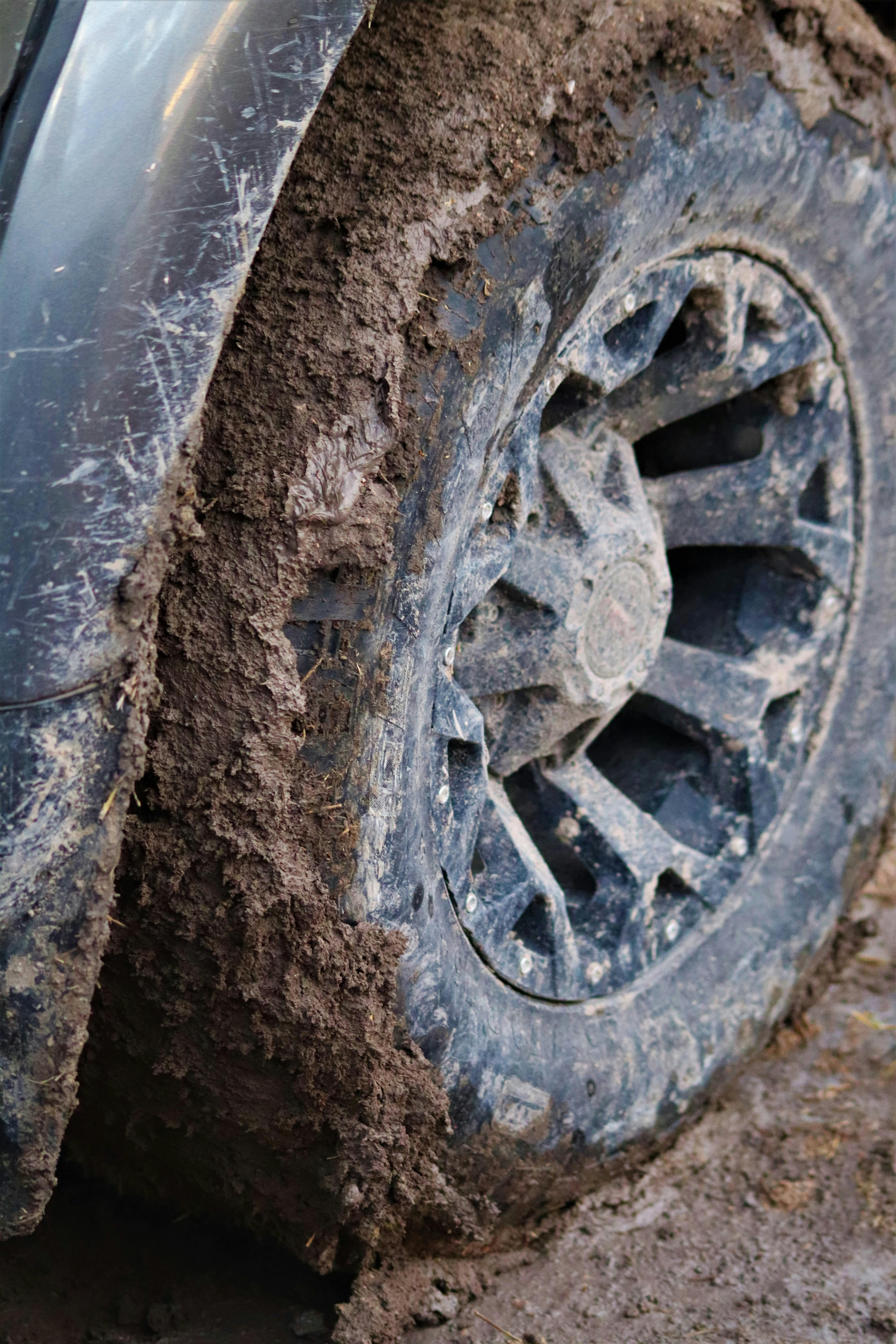
What should you look for when shopping for mud terrain tires? The tread design needs to be at the top of your priority list. Mud terrain tires need aggressive, open tread patterns that actively clear mud rather than pack it in, because when mud fills the tread and stays there, the tire loses its ability to grip.
Here are some other features to prioritize when shopping for mud terrain tires:
- Wider lugs that can clear out dirt and debris as your tires spin
- Deeper tread that can “bite” into softer ground
- Lugs with a V-shape or steep angle
- Strong sidewalls that can hold up against rocks
What your tires are made of matters, too. If you have tires made from softer rubber compounds, they will grip slick surfaces better. On the other hand, firm tires don’t have enough give for muddy conditions.
Choosing the right sidewall design for your mud terrain tires will also promote better performance. Tires with aggressive shoulder lugs can provide better lateral traction, which helps prevent sliding during turns or on sloped terrain. Together, these features give you consistent contact with unstable surfaces.
Choosing the Right Tire for Your Equipment
Load Requirements
Before ordering mud terrain tires, you need to consider your load requirements. Tires that carry more weight than they can handle might sink deeper into soft ground, which increases drag and reduces traction. Always choose a tire rated to support the full operating weight of your equipment, including attachments and cargo.
Under-rated tires will struggle in the mud because the tread will be compressed. That compression also increases heat buildup and accelerates wear. When evaluating the load requirements of your mud terrain tires, consider:
- The weight of your equipment
- How much your machine is designed to carry, including riders and accessories
- How loads may be distributed
You need to choose tires that have an adequate load capacity based on your daily usage so that they do not fail prematurely.
Speed Requirements
Speed is another consideration for mud terrain tires, but it often gets overlooked. Tires that are designed for higher speeds are built to provide stability and heat resistance. Using a low-speed-rated tire at higher speeds increases flex and reduces control on slick surfaces.
You are already at a higher risk of hydroplaning or sliding when driving at high speeds in muddy conditions. Mud terrain tires with proper speed ratings will provide better controllability. Choose a tire that supports:
- The typical speeds you operate at
- Occasional transport or road travel
- Load changes at different speeds
It’s better to have a tire that is rated at a higher speed than you will be traveling at than a tire that has a rating that is too low. However, you don’t need to go overboard. Review the manufacturer’s recommendations and consult with tire professionals to identify the appropriate speed rating for your equipment.
Operating Environment
Many people may think all mud is alike, but some differences can impact your tire performance. Here are a few different terrain conditions you need to consider:
- Shallow standing water
- Deep mud
- Clay soil
- Loose dirt
Each setting affects traction and tire performance differently. Selecting a tire without considering the operating environment leads to poor performance.
Examples of muddy job sites include:
- Construction zones with saturated soil
- Agricultural fields after rainfall
- Forested or wooded terrain
- Low-lying areas with poor drainage
When operating in these environments, tires with aggressive tread and durable sidewalls perform best. Operators who work across mixed terrain should prioritize versatility without sacrificing mud performance. On the other hand, individuals who primarily work in a specific environment can benefit from a specialized tire.
Seasonal Use vs. Year-Round Use
Next, consider whether you’ll be using your mud terrain tires all year long or just during certain seasons. It’s not uncommon for equipment operators to swap out tires throughout the year to prepare for different seasons. A dedicated mud tire delivers maximum traction but may wear faster on hard surfaces.
On the other hand, if you are a seasonal user, you may prefer tires that offer:
- Adequate mud traction during wet months
- Durability on dry or compacted ground
- Reduced noise and vibration
If you’ll be working in the mud for the entire year, go with tires that were built to hold up against wet and muddy conditions. Choosing a tire that aligns with your usage patterns will reduce unnecessary wear and reduce long-term costs.
Maintenance Tips for Mud-Heavy Environments
If you don’t properly maintain your mud terrain tires, they will wear out more quickly. Allowing wet debris to remain stuck to the rubber is bad for tire longevity. It can also hide damage. With that in mind, you should hose off your tires daily and inspect them for damage.
Cleaning your tires is one of the simplest and most effective maintenance habits. Removing caked-on mud prevents the tread from hardening. Some other tips include:
- Check tire pressure frequently
- Inspect the tread and sidewalls for damage
- Look for uneven wear
Mud can also affect your wheels and valves. For example, if moisture gets trapped near the rim, it can lead to corrosion. Diligence is the best way to protect your investment.
Equip Your Machine for Mud Season With Tires4That
Choosing the right mud terrain tires is the best way to maximize equipment performance and longevity. Tires4That has a huge selection of tires for ATVs, UTVs, trailers, and more. Our experienced team can help you identify the right option for your equipment and intended use case.
Are you ready for an upgrade? Explore our inventory of mud terrain tires and place your order today.