
Common Tractor Tire Tread Patterns
When it comes to heavy equipment performance, few decisions matter more than choosing the right tractor tire tread patterns. The tread you select impacts everything from soil health and machinery efficiency to the long-term costs of your tires.
What types of tractor tire tread patterns are available? While the patterns can vary, they are generally grouped into one of three broad categories. Here’s a closer look at R1 vs. R3 vs. R4 tractor tires.
R1 (Agriculture/Deep Lug)
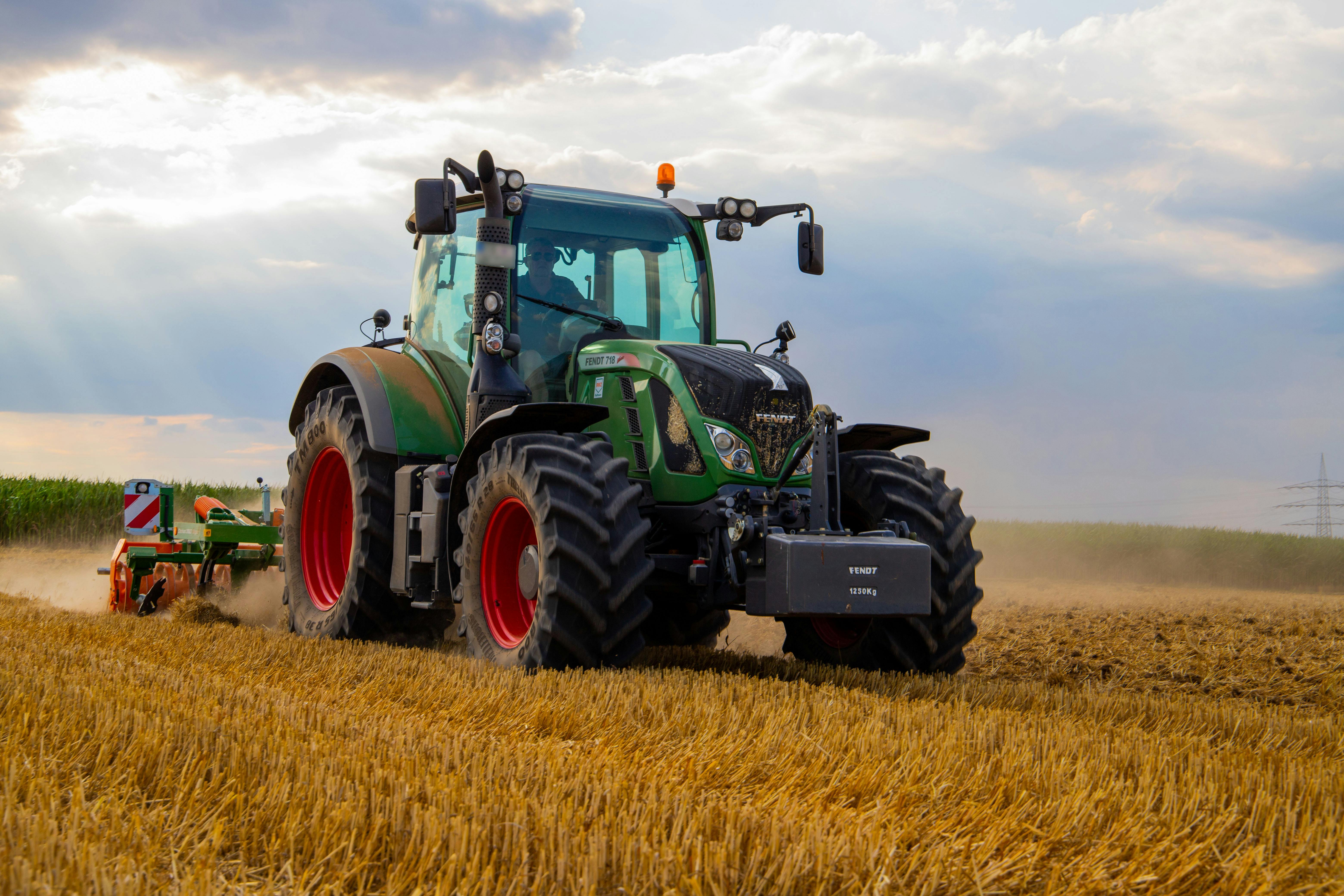
The R1 tread is often referred to as the “agriculture tire” because it is specifically designed for farming applications. These tires feature tall, angled lugs that dig deep into the soil. With this design, they are a great fit if you will be facing wet, muddy, or loose ground. Their aggressive lug depth ensures maximum traction in fields, especially when pulling heavy implements or working on steep terrain.
One tradeoff with R1 tractor tire tread patterns is that they tend to wear faster on hard surfaces like asphalt or gravel. While you may have to occasionally traverse those types of surfaces, you should avoid them as often as possible. That’s because the R1 tread is built for dirt. Frequent road travel can shorten the lifespan of these tires and drive up your equipment maintenance costs.
R3 (Turf)
R3 or turf tires have a shallower tread design that distributes the weight of your equipment evenly across the ground. The goal is to avoid leaving any divots or ripping up the grass when you turn. R3 tread is best for:
- Golf courses
- Parks
- Residential lawns
The R3 tread has a wide footprint that distributes the weight of your machinery and helps protect delicate grass.
The limitation of R3 tires is traction under extreme conditions. If you attempt to cross a muddy field or drive over a steep slope with turf tires, the equipment may slide or slip. Therefore, you should avoid using R3 tread for heavy agricultural or industrial applications. Instead, use these tires when your top priorities include preserving turf or maintaining the appearance of a lawn.
R4 (Industrial)
R4 tractor tires offer a middle ground between agriculture and turf. With a tread pattern that is less aggressive than R1 but deeper than R3, R4 is designed for versatility. These tires perform well on hard surfaces like gravel and asphalt. They also provide enough traction for light field or landscaping work.
You’ve likely seen R4 tread used in construction environments or on compact utility tractors. These tires can protect against punctures and hold up better on hard surfaces. They don’t provide the same deep traction as R1 tread, and they aren’t as gentle as turf tires. However, they are a good all-around option if you’ll be working on different surfaces.
There is no such thing as a one-size-fits-all solution. All of these tractor tire tread patterns offer benefits and drawbacks. Therefore, you need to consider the primary use of your equipment and the types of terrain you will be driving across.
How to Choose the Right Pattern
When choosing between R1 vs. R3 vs. R4 tractor tires, the biggest factors at play are the soil type and the job type. Here’s a closer look at both variables.
Soil Type
First, you should think about the type of soil or surface you’ll be driving over every day. Suppose that you do a lot of work in loose or muddy soil. If that is the case, R1 tires are probably the best fit because they have deeper lugs. If you’ll be working on manicured lawns or compacted soil, go with an R3 tread to avoid tearing up the ground. Your clients will be grateful that you have the right tires on your equipment.
Job Type
What sort of projects do you use your tractors for most? If you’ll be working on the farm or driving through muddy soil, go with an R1 tread design so you will have plenty of traction in the field. If you work on lawns or turf, R3 tread is the safest bet for protecting the surfaces you drive across.
Matching the tread design with the type of work you do can promote better performance and an extended tire life. In addition, your equipment operators will be safer and your clients will be happy that their surfaces are protected.
Maintenance Considerations
No matter which tread you choose, maintenance plays a vital role in extending tire life. Regularly check your tires’ air pressure. Under-inflated tires are more susceptible to sidewall damage. Over-inflation leads to uneven wear.
You will need to clean the lugs to dislodge mud, rocks, or debris. When the tread is packed with obstructions, the tires will offer less traction. Depending on the type of work you do, you may need to periodically rotate the tires to promote even wear.
You also need to take steps to store your tractor properly. Leaving tires exposed to the sun or harsh chemicals can cause them to age and crack faster. If possible, store your tractor in a covered area when you aren’t using it. You can also apply a protective chemical.
Selecting the Tread That Matches Your Work
When exploring farm tires, pay close attention to the insights from our tractor tire tread guide. Start by identifying the type of work you engage in most often and the kinds of soils or surfaces you traverse. Use that information to determine whether R1, R3, or R4 tread is the best fit for your equipment.
Selecting the right tread will help promote better productivity and fuel efficiency. You can also reduce the risk of accidents or damage to your equipment. Your decision even impacts the health of the soil you work on. By considering all of these variables, you can choose the ideal tread option for your tractors and achieve years of dependable tire performance.